Container Terminal Operations and Management
 Print
Print Download pdf
 Download Brochure
| Date | Format | Duration | Fees (GBP) | Register |
|---|---|---|---|---|
| 20 Apr - 28 Apr, 2026 | Live Online | 7 Days | £3825 | Register → |
| 18 May - 29 May, 2026 | Live Online | 10 Days | £5825 | Register → |
| 20 Jul - 24 Jul, 2026 | Live Online | 5 Days | £2850 | Register → |
| 10 Aug - 14 Aug, 2026 | Live Online | 5 Days | £2850 | Register → |
| 28 Sep - 09 Oct, 2026 | Live Online | 10 Days | £5825 | Register → |
| 26 Oct - 28 Oct, 2026 | Live Online | 3 Days | £1975 | Register → |
| Date | Venue | Duration | Fees (GBP) | Register |
|---|---|---|---|---|
| 06 Apr - 10 Apr, 2026 | Dubai | 5 Days | £4200 | Register → |
| 01 Jun - 05 Jun, 2026 | London | 5 Days | £4750 | Register → |
| 22 Jun - 26 Jun, 2026 | New York | 5 Days | £5150 | Register → |
| 12 Oct - 16 Oct, 2026 | Los Angeles | 5 Days | £5150 | Register → |
| 02 Nov - 04 Nov, 2026 | Accra | 3 Days | £3525 | Register → |
| 23 Dec - 25 Dec, 2026 | Marrakech | 3 Days | £3525 | Register → |
Why Select this Training Course?
Container terminal activities in operation and management are critical links in international supply chains, necessitating constant improvements to accommodate growing cargo volumes. This training course is meticulously designed for individuals seeking to enhance their knowledge and skills in this rapidly expanding field. Participants will have the opportunity to learn about modern technological advancements, including automated systems and advanced data analytics, which are essential for optimising terminal efficiency and productivity.
What is container terminal management?
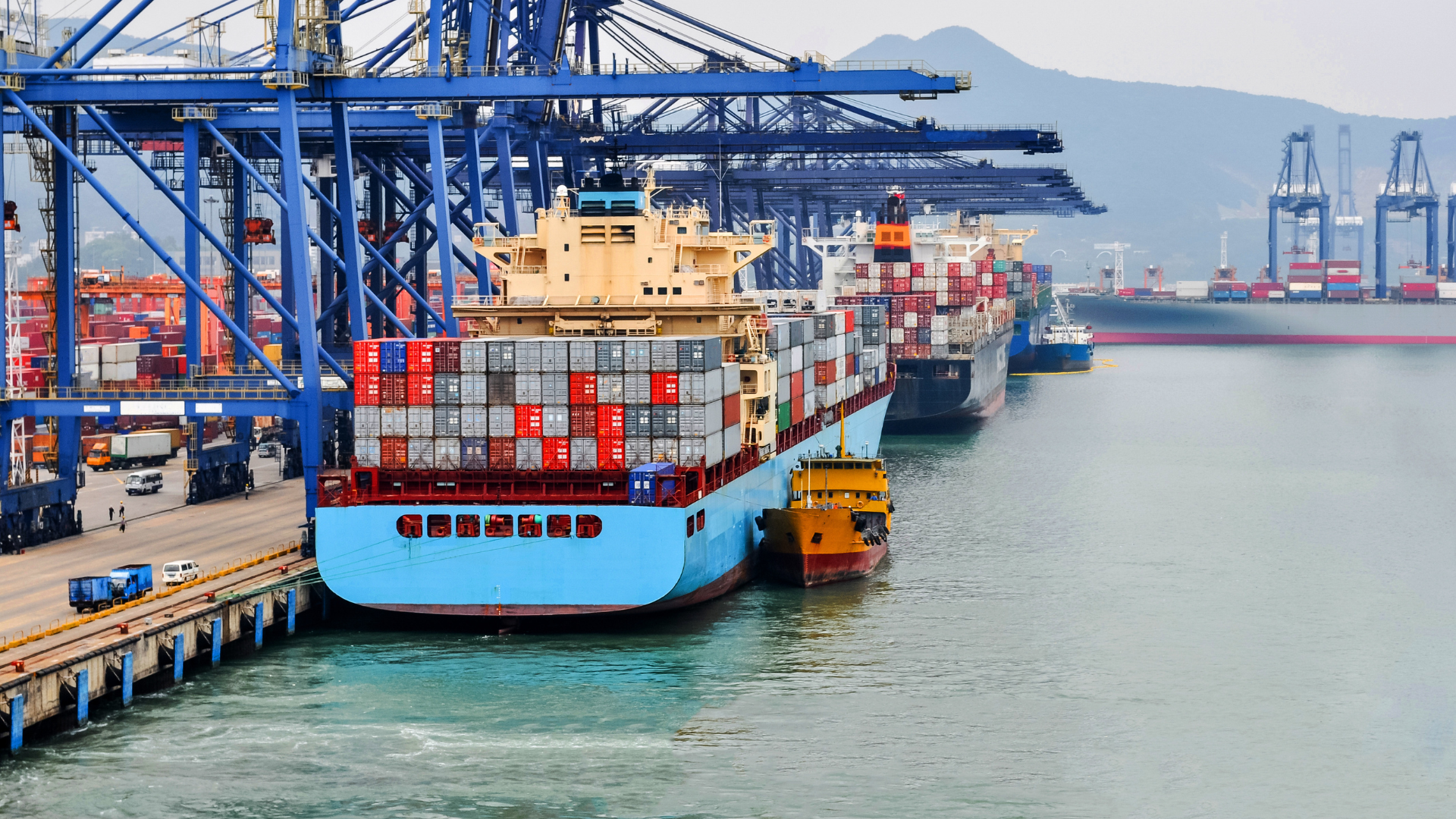
Container terminal management encompasses the oversight and coordination of all activities within a container terminal, where cargo containers are transferred between different transport modes such as ships, trucks, and trains. The role involves optimising operations to ensure the efficient loading and unloading of containers, managing resources such as personnel and equipment, and maintaining safety standards and regulatory compliance. Effective logistics and planning are essential to avoid delays and maximise terminal capacity. According to the World Shipping Council (2021), over 85% of global cargo is transported in containers, underscoring the critical importance of efficient terminal management in global trade. The role also requires strong customer service skills to liaise with shipping lines and freight forwarders, addressing their needs and resolving any operational issues that arise.
What is the difference between a port and a container terminal?
The primary difference between a port and a container terminal lies in their scope and function. A port is a broader term that refers to a maritime facility where ships dock to transfer people or cargo to and from land. Ports encompass various facilities, including container, bulk cargo, and passenger terminals, as well as warehouses and other infrastructure. A container terminal, on the other hand, is a specialised facility within a port dedicated solely to handling containerised cargo. It includes berths for container ships, cranes, storage yards, and equipment for loading and unloading containers. Ports serve as gateways for international trade, with the container terminal acting as a crucial component in managing containerised freight efficiently. For instance, the Port of Los Angeles is one of the largest in the world, housing multiple container terminals that collectively handled over 9.2 million TEUs (twenty-foot equivalent units) in 2020 (Port of Los Angeles, 2021).
Who Should Attend?
- Terminal Managers
- Operations Managers
- Logistics Coordinators
- Port Authorities
- Maritime Lawyers
- Shipping Company Executives
- Supply Chain Professionals
What are the Course Objectives?
- Master the complexities of modern container terminal operations.
- Implement advanced technological solutions to boost efficiency.
- Develop strategies for seamless terminal logistics management.
- Optimise terminal productivity while ensuring safety standards.
- Integrate environmental and regulatory compliance into operations.
How will this Course be Presented?
- Interactive lectures and dynamic discussions
- Real-life case studies and scenario analysis
- Hands-on simulations of terminal operations
- Group workshops for collaborative learning
- Guest lectures from industry experts
What are the Topics Covered in this Course?
Module 1: Advanced Terminal Operations
- Automated cargo handling systems
- Terminal management software
- Container tracking technologies
- Yard planning and equipment allocation
- Real-time data analytics
- Operational bottleneck analysis
- Load and discharge protocols
- Crisis management in terminal operations
Module 2: Supply Chain Integration
- End-to-end logistics planning
- Intermodal transportation
- Coordination with shipping lines
- Customs clearance processes
- Digital documentation and e-manifests
- Enhancing supply chain visibility
Module 3: Maintenance and Safety Management
- Preventive maintenance schedules
- Equipment lifecycle management
- Health and safety regulations
- Risk assessment techniques
- Implementing safety protocols
- Employee training programs
- Emergency response planning
- Incident investigation and reporting
- Compliance with international safety standards
- Best practices in terminal safety
Module 4: Environmental Compliance
- Waste management in terminals
- Energy-efficient operations
- Sustainable practices and green technologies
Module 5: Cargo Handling and Storage
- Container stacking strategies
- Reefer container management
- Hazardous cargo handling
- Optimising yard utilisation
- Efficient berth usage
- Vessel stowage planning
- Real-time inventory management
- Equipment utilisation analysis
- Cargo security measures
- Technology in cargo handling
Module 6: Terminal Planning and Design
- Infrastructure development
- Terminal capacity planning
- Layout optimisation
- Simulation of terminal operations
- Future terminal expansions
- Integration with port facilities
- Investment evaluation for terminal projects
- Project management principles
- Stakeholder engagement
Module 7: Automation in Container Terminals
- Introduction to automation in container terminals
- Types of automation technologies and their impact
- Cost-benefit analysis of terminal automation
- Integrating automated systems with existing infrastructure
- Challenges and solutions in automation implementation
- Case studies from automated terminals worldwide
- Future prospects and ROI of terminal automation
- Skills upgrading and training for managing automated systems
- Regulatory and ethical considerations of automation
Module 8: Data-Driven Terminal Management
- Importance of data in terminal operations
- Technologies for data acquisition and management
- Using data analytics for forecasting and planning
- Machine learning models for predictive maintenance
- Integrating IoT in container terminal operations
- Real-time data application for operational efficiency
- Ethical aspects and data privacy concerns
- Best practices in data management and analysis
Module 9: Operational Excellence and Lean Management
- Principles of lean management in terminal operations
- Tools and techniques for eliminating waste in processes
- Continual process improvement frameworks
- Case studies on operational excellence initiatives
- Key performance indicators and metrics
- Benefits of an operational excellence culture
- Implementation challenges and overcoming them
Module 10: Strategic Planning and Project Management in Terminals
- Essentials of strategic planning for container operations
- Project management tools for terminal development projects
- Setting and achieving long-term operational goals
- Stakeholder engagement and management during projects
- Developing scalable and flexible operation plans
- Financial planning and budgeting for projects
- Mitigation strategies for common project risks
- Legal considerations in project execution
- Fundamentals of contract management
- Ensuring sustainability in project outcomes
- Evaluation and feedback mechanisms
- Governance and oversight best practices
Module 11: Equipment and Infrastructure Management
- Selecting appropriate terminal equipment
- Equipment lifecycle management
- Maintenance strategies and schedules
- Implementing advanced terminal operating systems (TOS)
- Infrastructure design and optimisation
- Asset management best practices
- Integrating new equipment and technology
- Infrastructure resilience planning
- Aligning equipment with operational goals
- Industry standards and compliance
- Infrastructure investment planning
- Strategic partnerships and alliances
Module 12: Regulatory Compliance and Legal Frameworks
- Understanding international maritime laws
- Navigating local and global regulations
- Compliance management strategies
- Environmental law implications
- Health and safety regulations
- Data protection and privacy laws
- Risk management and compliance auditing
- Maritime security regulations
- Contract management and negotiation
- Managing regulatory changes
Module 13: Crisis and Emergency Management
- Emergency response planning
- Crisis communication strategies
- Business continuity planning
- Disaster recovery mechanisms
- Risk assessment and mitigation
FAQs
4 simple ways to register with RCADEMY:
- Website: Log on to our website www.rcademy.com. Select the course you want from the list of categories or filter through the calendar options. Click the “Register” button in the filtered results or the “Manual Registration” option on the course page. Complete the form and click submit.
- Telephone: Call +971 58 552 0955 or +44 20 3582 3235 to register.
- E-mail Us: Send your details to [email protected]
- Mobile/WhatsApp: You can call or message us on WhatsApp at +971 58 552 0955 or +44 20 3582 3235 to enquire or register.
Believe us; we are quick to respond too.
Yes, we do deliver courses in 17 different languages.
Our course consultants on most subjects can cover about 3 to maximum 4 modules in a classroom training format. In a live online training format, we can only cover 2 to maximum 3 modules in a day.
Our public courses generally start around 9 am and end by 5 pm. There are 8 contact hours per day.
Our live online courses start around 9:30am and finish by 12:30pm. There are 3 contact hours per day. The course coordinator will confirm the Timezone during course confirmation.
A valid RCADEMY certificate of successful course completion will be awarded to each participant upon completing the course.
A ‘Remotely Proctored’ exam will be facilitated after your course. The remote web proctor solution allows you to take your exams online, using a webcam, microphone and a stable internet connection. You can schedule your exam in advance, at a date and time of your choice. At the agreed time you will connect with a proctor who will invigilate your exam live.