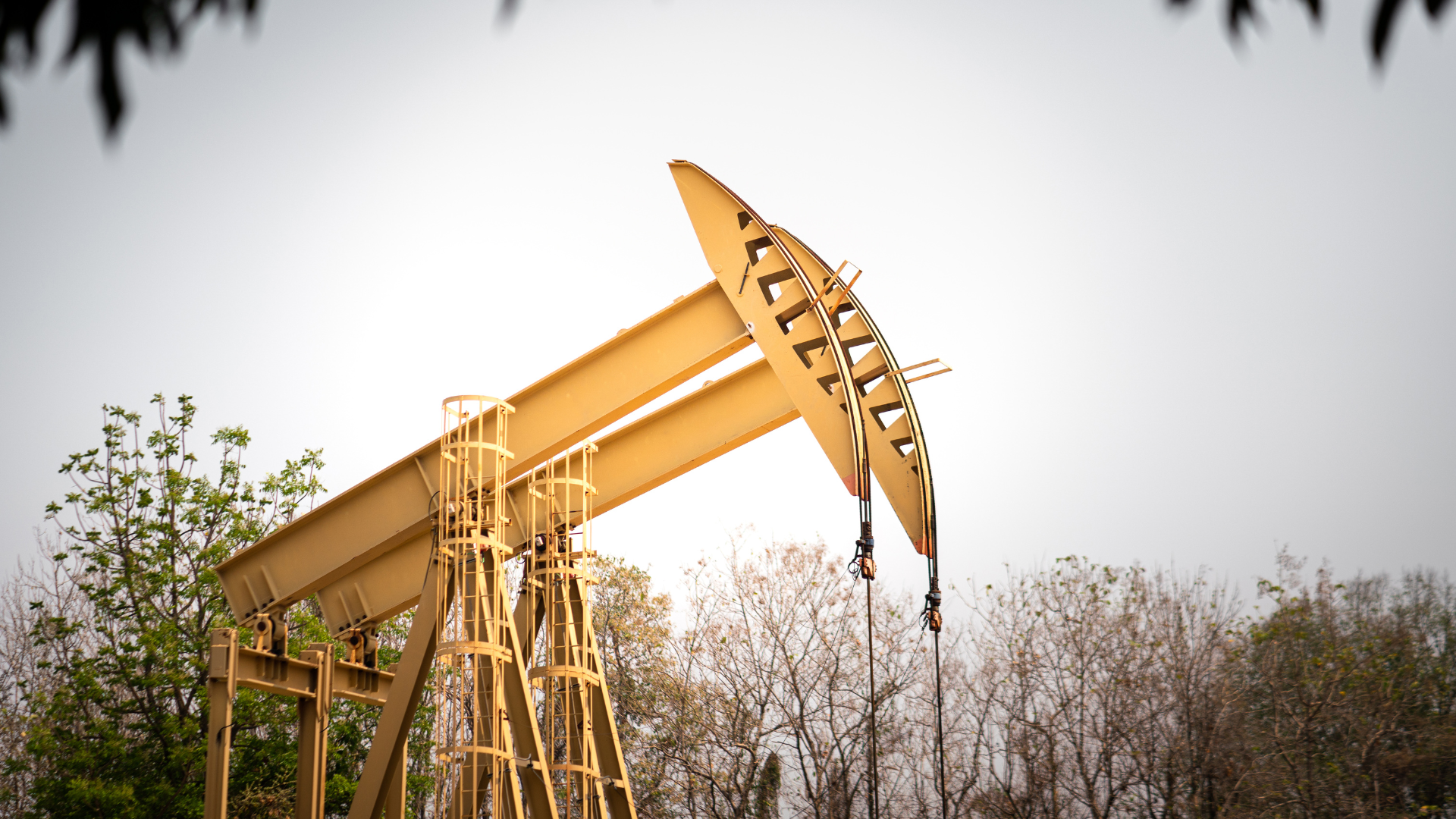
Hazardous Waste Management and Disposal Training Course
 Print
Print Download pdf
 Download Brochure
| Date | Format | Duration | Fees (GBP) | Register |
|---|---|---|---|---|
| 06 Apr - 10 Apr, 2026 | Live Online | 5 Days | £2850 | Register → |
| 18 May - 29 May, 2026 | Live Online | 10 Days | £5825 | Register → |
| 29 Jun - 01 Jul, 2026 | Live Online | 3 Days | £1975 | Register → |
| 28 Sep - 06 Oct, 2026 | Live Online | 7 Days | £3825 | Register → |
| 26 Oct - 30 Oct, 2026 | Live Online | 5 Days | £2850 | Register → |
| 14 Dec - 18 Dec, 2026 | Live Online | 5 Days | £2850 | Register → |
| Date | Venue | Duration | Fees (GBP) | Register |
|---|---|---|---|---|
| 13 Apr - 15 Apr, 2026 | Amsterdam | 3 Days | £3825 | Register → |
| 04 May - 08 May, 2026 | Los Angeles | 5 Days | £5150 | Register → |
| 08 Jun - 12 Jun, 2026 | Nairobi | 5 Days | £4350 | Register → |
| 19 Oct - 30 Oct, 2026 | London | 10 Days | £8750 | Register → |
| 23 Nov - 27 Nov, 2026 | Nairobi | 5 Days | £4350 | Register → |
| 07 Dec - 25 Dec, 2026 | Manchester | 15 Days | £12400 | Register → |
Why Select this Training Course?
Hazardous waste is referred to as any unwanted material that poses a threat to human health, safety, or the environment at large due to its chemical, physical, or biological properties. This type of waste may be toxic, flammable, corrosive, reactive, or infectious. Examples include certain industrial chemicals, solvents, pesticides, medical waste, and radioactive materials. Considering economics, environmental safety, and public health while ensuring safe disposal methods poses continuous challenges for waste management systems globally.
This Rcademy Hazardous Waste Management and Disposal Training Course will enhance participants’ understanding of safe handling, storage, transportation, and disposal of hazardous waste substances. It covers regulations, best practices, and techniques for mitigating environmental and health risks that come along with hazardous waste. Participants will learn how to identify hazardous waste, classify it according to standard regulations, implement proper storage and labelling procedures, and ensure compliance with legal requirements for disposal.
What are the 4 types of waste management?
Waste management is crucial for mitigating the negative impacts of waste on the environment, health, and aesthetics. The four primary methods are landfill, incineration, recycling, and composting.
Landfilling involves burying waste in designated sites, aiming to minimise environmental contamination. Incineration burns waste at high temperatures, significantly reducing its volume and sometimes generating energy. Recycling involves collecting, processing, and remanufacturing waste materials into new products. Composting breaks down organic waste, such as food scraps and yard waste, through microbial action to produce nutrient-rich compost. However, composting requires careful management to prevent odours and ensure efficient decomposition.
How do you manage hazardous waste?
Managing hazardous waste involves a comprehensive and systematic approach to ensure safety and environmental protection. Initially, it is crucial to accurately identify and classify hazardous waste based on its physical, chemical and toxicological properties. Appropriate classification helps determine the appropriate handling, storage, and disposal methods.
Once classified, hazardous waste must be properly contained to prevent leaks, spills, or exposure. This typically involves using specialised labelled containers designed to withstand the waste’s specific properties. These containers are then stored in secure, designated areas that comply with regulatory standards to minimise risks to people and the environment.
Transportation of hazardous waste requires strict adherence to regulations that govern the packaging, labelling, and documentation of the waste. Specialised transport vehicles and trained personnel are essential to ensure safe transit to disposal or treatment facilities. Final disposal of treated hazardous waste is conducted in facilities designed to isolate it from the environment, such as secure landfills or deep-well injections.
Who Should Attend?
- Environmental Health and Safety Manager tasked with driving health safety for employees and ensuring organisational
- Chemical Engineers charged with safely handling tools and substances, and chemical waste disposals.
- Waste Management Specialists who are tasked with waste treatment and management.
- Facility Managers who are charged with overseeing the safety management of storage, disposal, and facility.
- Healthcare Professionals in charge of the safe handling of medical waste disposal.
- Laboratory Technicians who are tasked with waste treatment, management and control.
What are the Course Objectives?
This Rcademy Hazardous Waste Management and Disposal Training Course is prepared to help participants to:
- Recognise various contamination types and select the most appropriate disposal method for their organisation.
- Facilitate discussions on general and specific issues regarding contamination and waste management.
- Understand relevant legislation about environmental contamination and pollution.
- Understand how to navigate and prioritise challenges with waste and contamination management.
- Explore the contamination impacts on the environment and human health.
- Evaluate emerging models for treating contaminated soil, water, radioactive substances, air pollution, and industrial
How will this Course be Presented?
This Rcademy Hazardous Waste Management and Disposal Training Course is participant-oriented and specially adapted to meet participants’ expectations while improving their skills and professionalism. Various techniques and approaches that ensure participants learn effectively will be employed to deliver the training. The course will be delivered by experienced experts in the field with proven years of practice. The modules are curated from extensive and deep research on the subject.
This Rcademy Hazardous Waste Management and Disposal Training Course will provide theoretical and practical learning through lecture notes, slides on the subject, and real-life scenarios. Participants will also engage in seminars and workshops, quizzes, presentations, and constant feedback on the lessons learned.
What are the Topics Covered in this Course?
Module 1: Introduction to Hazardous Waste Management
- Definition, classification, and sources of hazardous waste
- Regulatory frameworks and compliance
- Health and environmental impacts
- Hazardous waste identification and characterisation
- The life cycle of hazardous waste
- Hazardous waste management hierarchy
- Roles and responsibilities in Hazardous Waste Management
Module 2: Regulatory Compliance and Legal Requirements
- Overview of key regulations (e.g., RCRA, CERCLA, TSCA)
- Permitting processes
- Reporting and record-keeping requirements
- Inspections and enforcement
- Penalties for non-compliance
- State and local regulations
- International regulations and standards
- Regulatory updates and future trends
Module 3: Hazardous Waste Identification and Classification
- Hazardous waste characteristics (Ignitability, Corrosivity, Reactivity, Toxicity)
- Hazardous waste codes and listings
- Sampling and analytical methods
- Safety Data Sheets (SDS) and Material Safety Data Sheets (MSDS)
- Risk assessment and hazard evaluation
- Case studies in waste identification and management
- Mixed waste management
- Waste determination process
Module 4: Hazardous Waste Storage and Handling
- Proper storage practices
- Container selection and labelling
- Secondary containment systems
- Segregation and compatibility
- Handling procedures and safety measures
- Emergency preparedness and response
- Spill prevention and control
- Facility design and management
Module 5: Transportation of Hazardous Waste
- Transportation regulations (DOT, EPA)
- Packaging and labelling requirements
- Shipping papers and manifests
- Transporter responsibilities
- Safety and security measures
- Incident reporting and response
- Route planning and risk management
- Case studies and best practices
Module 6: Hazardous Waste Treatment Technologies
- Physical treatment methods (Filtration, Sedimentation)
- Chemical treatment methods (Neutralisation, Precipitation)
- Thermal treatment methods (Incineration, Pyrolysis)
- Biological treatment methods (Bioremediation, Composting)
- Stabilisation and solidification
- Treatment of specific waste streams (e.g., E-waste, Pharmaceuticals)
- Emerging treatment technologies
- Case studies in treatment success
Module 7: Hazardous Waste Disposal Methods
- Secure landfill design and operation
- Deep well injection
- Surface impoundments and waste piles
- Ocean and other bodies of water disposal
- Legal and environmental considerations
- Long-term monitoring and maintenance
- Remediation of contaminated sites
- Spill response and cleanup procedures
- Case studies in disposal practices
Module 8: Sustainability and Pollution Prevention
- Waste minimisation techniques
- Green chemistry and engineering
- Pollution prevention plans
- Sustainable waste management practices
- Resource recovery and recycling
- Life Cycle Analysis (LCA)
- Case studies in sustainable practices
Module 10: Emerging Trends in Waste Management
- Artificial Intelligence in Waste Management
- Smart Sensors and IoT for Waste Management
- Bioremediation techniques
- Waste-to-Energy technologies
- Nanotechnology for hazardous waste treatment
- Circular economy and waste valourisation
- Green chemistry
- Lifecycle assessment and Extended Producer Responsibility (EPR)
Module 11: Technological Innovations and Future Trends
- Digital tools for waste management
- Internet of Things (IoT) in hazardous waste tracking
- Machine Learning and its application to waste management
- Blockchain for waste management transparency
- Advanced treatment technologies
- Enhanced recycling programs
- Environmental monitoring technologies
- Case studies in innovative practices
FAQs
4 simple ways to register with RCADEMY:
- Website: Log on to our website www.rcademy.com. Select the course you want from the list of categories or filter through the calendar options. Click the “Register” button in the filtered results or the “Manual Registration” option on the course page. Complete the form and click submit.
- Telephone: Call +971 58 552 0955 or +44 20 3582 3235 to register.
- E-mail Us: Send your details to [email protected]
- Mobile/WhatsApp: You can call or message us on WhatsApp at +971 58 552 0955 or +44 20 3582 3235 to enquire or register.
Believe us; we are quick to respond too.
Yes, we do deliver courses in 17 different languages.
Our course consultants on most subjects can cover about 3 to maximum 4 modules in a classroom training format. In a live online training format, we can only cover 2 to maximum 3 modules in a day.
Our public courses generally start around 9 am and end by 5 pm. There are 8 contact hours per day.
Our live online courses start around 9:30am and finish by 12:30pm. There are 3 contact hours per day. The course coordinator will confirm the Timezone during course confirmation.
A valid RCADEMY certificate of successful course completion will be awarded to each participant upon completing the course.
A ‘Remotely Proctored’ exam will be facilitated after your course. The remote web proctor solution allows you to take your exams online, using a webcam, microphone and a stable internet connection. You can schedule your exam in advance, at a date and time of your choice. At the agreed time you will connect with a proctor who will invigilate your exam live.