
We are living through a unique moment in the history of the workforce. For the first time, five distinct generations are working side-by-side. This creates a powerful mix of experience and fresh perspectives.
The makeup of our workplace is changing fast. Younger employees are set to become the majority soon. At the same time, older colleagues, including baby boomers, are staying in their careers longer. This shift demands new ways of thinking about how we work together.
Our goal is to turn this diversity into a real advantage. We will move beyond stereotypes to focus on shared human needs and practical solutions. This approach helps everyone contribute their best.
Success hinges on building systems that are fair and clear for all. It’s about creating real growth opportunities and strong support for managers. As highlighted in this resource on managing diverse teams, the right tools make all the difference. The time to act is now.
Key Takeaways
- The modern workforce includes an unprecedented mix of five generations working together.
- Younger generations are growing in number while older employees extend their careers.
- This diversity presents a significant opportunity for innovation and performance.
- Effective strategies focus on shared human needs rather than generational stereotypes.
- Building transparent career paths and fair work systems is essential for success.
- Investing in manager quality is critical for team engagement and productivity.
- Proactive planning today prevents challenges like knowledge gaps and attrition tomorrow.
Understanding the Multigenerational Workforce Landscape
We’re witnessing a fundamental restructuring of workforce demographics that demands immediate attention and strategic planning. The current composition shows distinct generations at different life stages, each bringing unique perspectives.
Key Demographic Trends and Research Insights
Recent studies reveal powerful trends shaping our future. Deloitte projects Millennials and Gen Z will constitute 74% of the global workforce by 2030. Meanwhile, workers 65+ are projected to reach 8.6% of the labor force by 2032.
This creates unprecedented overlap where hiring spikes meet delayed exits. As highlighted in this workforce management resource, we must plan skills pipelines and knowledge transfer together.
Impact of Extended Career Spans and Evolving Roles
Longer career spans mean we’re designing for phased transitions rather than sudden retirement. Older employees are extending their working years, while younger colleagues take on new roles.
Healthcare sectors will drive nearly half of job gains through 2032. This multigenerational workforce requires specialized strategies for all age groups, including the small but valuable silent generation segment.
Identifying Challenges in Cross-Generational Collaboration
When employees from diverse age groups work together, differences in approach and perspective inevitably surface. These challenges stem from employees being at different life stages. Some are launching careers while others are planning their next phase.

Navigating Varied Work Ethics and Expectations
Work ethic differences often get misunderstood. Older employees might equate long hours with dedication. Younger team members often prioritize output over time spent at desks.
These different expressions of commitment create friction. Varying expectations around autonomy and feedback frequency need clear operating norms. As highlighted in this multigenerational workforce resource, proactive management prevents misunderstandings.
Overcoming Communication and Cultural Barriers
Communication preferences vary significantly across generations. Some prefer formal business writing while others use casual language and emojis. These differences stem from the technology each group grew up with.
Cultural barriers emerge when we fail to recognize shared values expressed differently. All generations value fairness and respect, but they demonstrate these values using unique frameworks. Building bridges requires finding common ground through thoughtful conversation.
Cross-Generational Teams: 2026 Strategies for Gen Z to Baby Boomers
The real power of age diversity emerges when we translate understanding into concrete actions that serve each generation’s unique needs. We’re building systems where everyone contributes their best while receiving targeted support.
Tailored Approaches for Each Life Stage
For experienced workers, we create flexible project marketplaces. These allow baby boomers to share institutional knowledge through time-boxed assignments. Their mentorship counts in performance reviews, not as extra charity work.
Our teams benefit when we address Gen X’s operational overload. We audit spans of control and protect focus time. This supports their crucial role as the backbone connecting different generation groups.
Millennials gain from transparent pay bands and dual career ladders. They can advance without managing people when that’s not their goal. Structured internal mobility programs provide visible growth paths.
Gen Z receives structured onboarding with named coaches and portfolio-grade assignments. We replace unpaid internships with paid programs that build real skills. Early leadership opportunities come through small team leads.
The key across generations is measuring what truly matters. We track time to productivity and internal fill rates for critical roles. Completion rates of knowledge transfer plans ensure smooth transitions.
These integrated strategies create a cohesive system where all five generations thrive. As highlighted in this resource on collaborative workforce development, everyone can access support fitting their life stage while contributing unique strengths to shared success.
Developing Effective Leadership and Managerial Practices
Managerial excellence serves as the critical bridge connecting different generational perspectives in the workplace. With global engagement at just 23%, improving manager quality becomes our most powerful lever for change.

Investing in Manager Quality and Coaching
We’re building practical training programs that develop essential coaching skills. Our leaders learn to recognize individual working styles and calibrate expectations accordingly.
The data shows managers explain most team performance variance. That’s why we’ve created a “manager operating system” with weekly check-ins and strengths-based development.
Implementing Regular Feedback and Growth Check-Ins
Continuous feedback drives remarkable results—80% of employees receiving meaningful input show full engagement. We’re replacing annual reviews with real-time recognition and course correction.
Our four-week Manager Sprint helps leaders master core habits like quality one-on-ones and growth conversations. This practical approach to leadership development ensures consistent support across all work environments.
As highlighted in this guide to leading diverse teams, effective training builds the skills needed for modern leadership. The right feedback systems create environments where everyone can contribute their best work.
Embracing Flexible Work Models and Hybrid Arrangements
Today’s workforce operates in a dynamic environment where physical presence and remote collaboration coexist seamlessly. Hybrid work has settled into a durable pattern, averaging about one day per week from home globally.
We recognize that while all generations prioritize work-life balance, they envision it differently. Younger employees often desire autonomy over when and where they work, while experienced colleagues may prefer purposeful in-person collaboration.
Designing Hybrid Systems with Clear Operating Agreements
Our approach moves beyond blanket mandates toward team-level flexibility. We consider the actual work being done and calibrate based on outcomes rather than optics.
We implement one-page Team Agreements that every team completes and reviews quarterly. These cover essential elements like overlap hours, response-time expectations, and decision documentation.
The data shows well-designed hybrid work delivers genuine wins for productivity and retention. However, hybrid requires the most management attention to succeed.
We coordinate collaboration days to maximize in-person value. We protect focus time for deep work. This thoughtful approach to multigenerational workforce strategies accommodates diverse preferences while maintaining clarity.
Caregiving responsibilities make hybrid options essential for many employees. Our flexibility explicitly supports life realities rather than treating them as accommodations.
Tailoring Learning and Development for Every Generation
Our approach to learning and development must evolve dramatically to meet the skills demands of the coming years. We’re facing a critical inflection point where six in ten workers will need training before 2027.

Top capabilities like analytical thinking and creative thinking now drive market value. We’re stopping random acts of learning and instead publishing clear role-to-skills maps.
Upskilling, Reskilling, and Role-to-Skills Mapping
For each critical role, we identify three human skills and two technical capabilities that match market demand. Then we attach specific projects that let people practice them in real work situations.
This makes skills development concrete and measurable. Our internal mobility strategy recognizes that internal hires are 80% more likely to be high performers.
Building Structured Onboarding and Mentorship Programs
For younger talent, we create structured onboarding with named coaches and paid rotations. These deliver portfolio-grade results while building belonging.
We’re implementing bi-directional mentorship where experienced workers share institutional knowledge. Younger colleagues mentor on digital tools and emerging technologies.
This creates true knowledge exchange across life stages. We measure success through time to productivity and internal fill rates for critical roles.
Fostering an Inclusive Culture Through Clear Communication
Clear communication serves as the foundation for building truly inclusive workplace environments. We recognize that effective dialogue bridges gaps between different working styles and life experiences.
Our approach celebrates the rich diversity of expression that each person brings. From formal business writing to casual digital exchanges, every style has value in the right context.
Customizing Communication Strategies for Varied Preferences
We establish team-level guidelines that clarify channel purposes and response expectations. This creates consistency while respecting individual preferences.
Our leaders receive specialized training in flexing their communication style. They learn to recognize when different approaches signal deeper needs.
We actively combat isolation by ensuring all employees feel included in important conversations. This means bringing informal digital discussions into formal channels when needed.
Psychological safety forms the heart of our culture. We encourage questions and vulnerability across generations, making it safe to admit confusion or ask for help.
Practical tools like communication cheat sheets help new team members connect quickly. These include work preferences and personal interests to build genuine relationships.
Deliberately mixed projects require collaboration between different age groups. This natural interaction helps everyone appreciate varied communication styles.
We train teams on practical courtesy like scheduling emails for appropriate times. This respects work-life boundaries while maintaining effectiveness.
Our commitment to inclusion means valuing all expressions of professionalism. Both formal precision and casual rapport strengthen our collective work.
Leveraging Technology and Benefit Options to Enhance Engagement
Modern organizations are discovering that strategic technology adoption and flexible benefits can dramatically improve employee satisfaction. These tools create environments where everyone feels supported according to their current life stage.
Adapting to New Tools and Digital Learning Platforms
We’re building bridges through technology rather than creating barriers. While younger team members often lead with new tools, we’ve found that experienced employees have surprising “early adopter attitudes.”
Our reverse mentoring programs create genuine knowledge exchange. Younger talent teaches digital platforms while experienced colleagues share strategic thinking. This mutual learning boosts overall engagement.

The emergence of AI creates a unique shared learning moment. Every generation is discovering new capabilities together. We provide inclusive training that respects different learning paces.
Offering Flexible, Life Stage-Sensitive Benefit Programs
Our benefits strategy has evolved beyond one-size-fits-all packages. We now offer choice-based models where employees select support matching their current needs.
Younger workers appreciate student loan assistance and housing programs. Mid-career team members value caregiving leave and schedule control. Later-career employees benefit from phased retirement options.
We continuously evaluate our benefits through feedback channels. This ensures we’re providing meaningful support at every life stage. Clear communication helps everyone understand their options.
Conclusion
The future of organizational success lies in our ability to transform demographic complexity into strategic advantage through deliberate planning. We’ve moved beyond simply acknowledging different generations to building systems that serve everyone effectively.
Our approach centers on practical actions with measurable outcomes. We establish clear team agreements that define how work happens. We invest in leadership development that builds consistent coaching skills. This creates the foundation for genuine collaboration across all age groups.
The strategies we’ve outlined create an integrated system where clarity, coaching, and career development work together. As highlighted in this resource on effective recognition programs, meaningful acknowledgment drives engagement at every stage.
When we implement these approaches consistently, we turn our diverse workforce into measurable organizational strength. The result is a workplace where every employee can contribute their best work and achieve meaningful success.
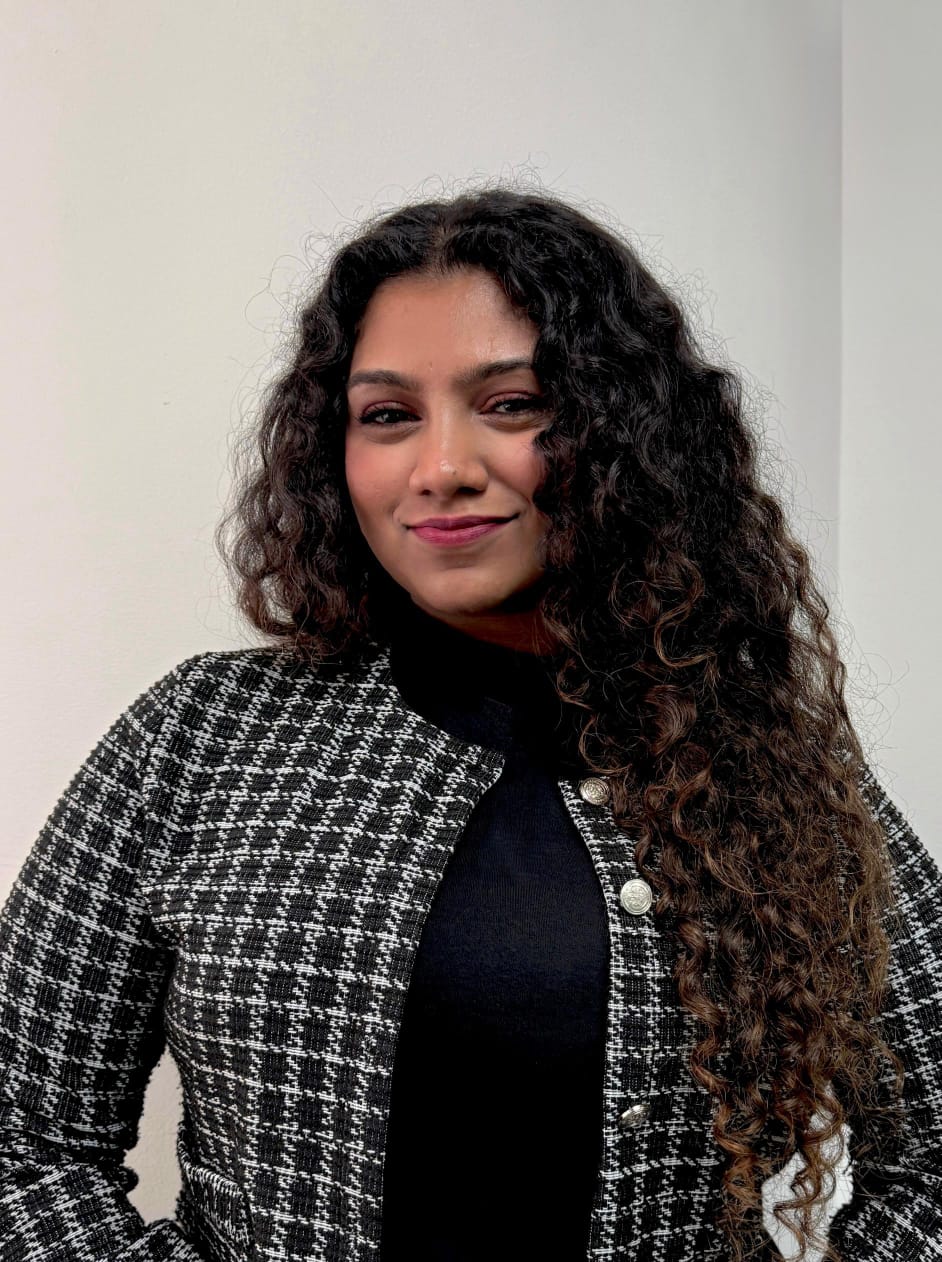
This Article is Reviewed and Fact Checked by Ann Sarah Mathews
Ann Sarah Mathews is a Key Account Manager and Training Consultant at Rcademy, with a strong background in financial operations, academic administration, and client management. She writes on topics such as finance fundamentals, education workflows, and process optimization, drawing from her experience at organizations like RBS, Edmatters, and Rcademy.