

In today’s digital world, linking Enterprise Resource Planning (ERP) systems with e-commerce platforms is key for businesses. You might ask, “How can ERP integration change your e-commerce?” By connecting these systems, you can unlock your data’s full potential and improve your customer service.
ERP software automates many business tasks, from managing supplies to handling finances. ERP integrations help companies manage their data in one place. This way, they can make better decisions and offer better customer experiences.
Key Takeaways
- ERP integration helps businesses run smoother, improve customer service, and make informed choices.
- By automating tasks and syncing data in real-time, ERP and e-commerce systems work better together.
- Linking ERP with e-commerce gives a complete view of business data. This helps with managing stock, fulfilling orders, and reporting finances.
- ERP-e-commerce integration lets businesses offer more personalized services. This keeps them competitive in the fast-changing e-commerce world.
- Working with experienced ERP integration partners can help businesses get the most out of this strategic move.

What is ERP Integration and Why is it Important?
ERP systems are all-in-one software for managing a business. They handle everything from accounting to customer relationships. ERP integration connects these systems with other apps, like e-commerce platforms. This makes a business’s operations more efficient and competitive.
Enterprise Resource Planning (ERP) Overview
ERP systems bring together data from different parts of a business into one place. When an ERP system is linked with an e-commerce platform, it automates tasks. This improves data accuracy and helps in making better decisions.
Benefits of ERP Integration
- Centralized Data: ERP integration keeps all important data in one spot. This makes it easier to see and make decisions based on accurate information.
- Process Automation: It makes workflows smoother by automating tasks. This cuts down on errors and boosts efficiency.
- Personalized Customer Experience: By using customer data from the ERP system, businesses can offer more personalized experiences. This leads to happier customers and loyalty.
- Reduction in Human Error: ERP integration reduces the chance of mistakes by eliminating manual data entry. This is key for accurate business operations and reports.
Integrating an ERP system with an e-commerce platform brings many benefits. It centralizes data, streamlines processes, and enhances customer experiences. All these lead to better performance and competitiveness for a business.
Common ERP Integration Patterns
Businesses use several common patterns to link their Enterprise Resource Planning (ERP) systems with e-commerce platforms. These patterns help solve the challenges of combining ERP and e-commerce systems. They ensure data flows smoothly and processes are automated.
The migration ERP integration pattern lets businesses move data from one system to another at set times. It’s useful when switching to a new ERP system or combining data from different sources.
The broadcast pattern allows for real-time data sharing from one module to many systems. It’s great for companies that need to share updates, like product catalogs or inventory levels, across different platforms.
- The aggregation pattern brings data from many systems into one place. It ensures data is accurate and up-to-date without duplicating it across platforms.
- The bi-directional sync pattern connects data in multiple systems, keeping them in sync in real-time. It makes data exchange seamless.
- The correlation pattern syncs specific data between two systems. It ensures data integrity by only syncing relevant information.
These patterns offer businesses various ways to tackle their unique integration challenges. Whether it’s ERP e-commerce integration, migration ERP integration, or syncing data between systems, they help unlock the full potential of ERP and e-commerce investments. This leads to growth, efficiency, and better customer satisfaction.

ERP Integration Methods
Businesses have several options when integrating their Enterprise Resource Planning (ERP) system with e-commerce platforms. The best method depends on your specific needs and requirements.
Integration Platform as a Service (IPaaS)
Integration Platform as a Service (IPaaS) is a popular choice. It’s a cloud-based solution that connects your ERP with various SaaS applications, including e-commerce platforms. This method offers fast data syncing and scalability, making it cost-effective for many businesses.
Point-to-Point Integration
Point-to-point integration connects two systems directly. It works well for simple integrations with just two platforms involved. But, as businesses grow and need more complex solutions, this method is less common.
Enterprise Service Buses (ESBs) are often used in on-premise environments. They act as a communications hub, translating and routing data. However, they can be challenging for cloud-based integrations, making them less popular today.
The right integration method depends on your business needs, integration complexity, and required flexibility and scalability. Choosing the right approach ensures smooth data exchange between your ERP and e-commerce systems. This leads to better efficiency, improved customer experiences, and greater success for your business.
ERP e-commerce integration
Integrating an Enterprise Resource Planning (ERP) system with an e-commerce platform is a big step for businesses. This move allows for real-time data sharing. It keeps inventory levels, prices, and customer info current across both systems.
This ensures data accuracy, reducing errors and customer dissatisfaction. It also saves money by avoiding costly mistakes.
ERP and e-commerce integration also makes operations smoother. It automates tasks like order processing and invoicing. This boosts efficiency and cuts down on manual errors.
Companies that adopt this integration see big gains. They experience higher revenues, better productivity, and lower costs.
Real-time Data Synchronization
ERP-integrated e-commerce systems boost productivity. They sync data from different business areas. This means customers get accurate product info and prices in real-time.
This leads to a better shopping experience for everyone.
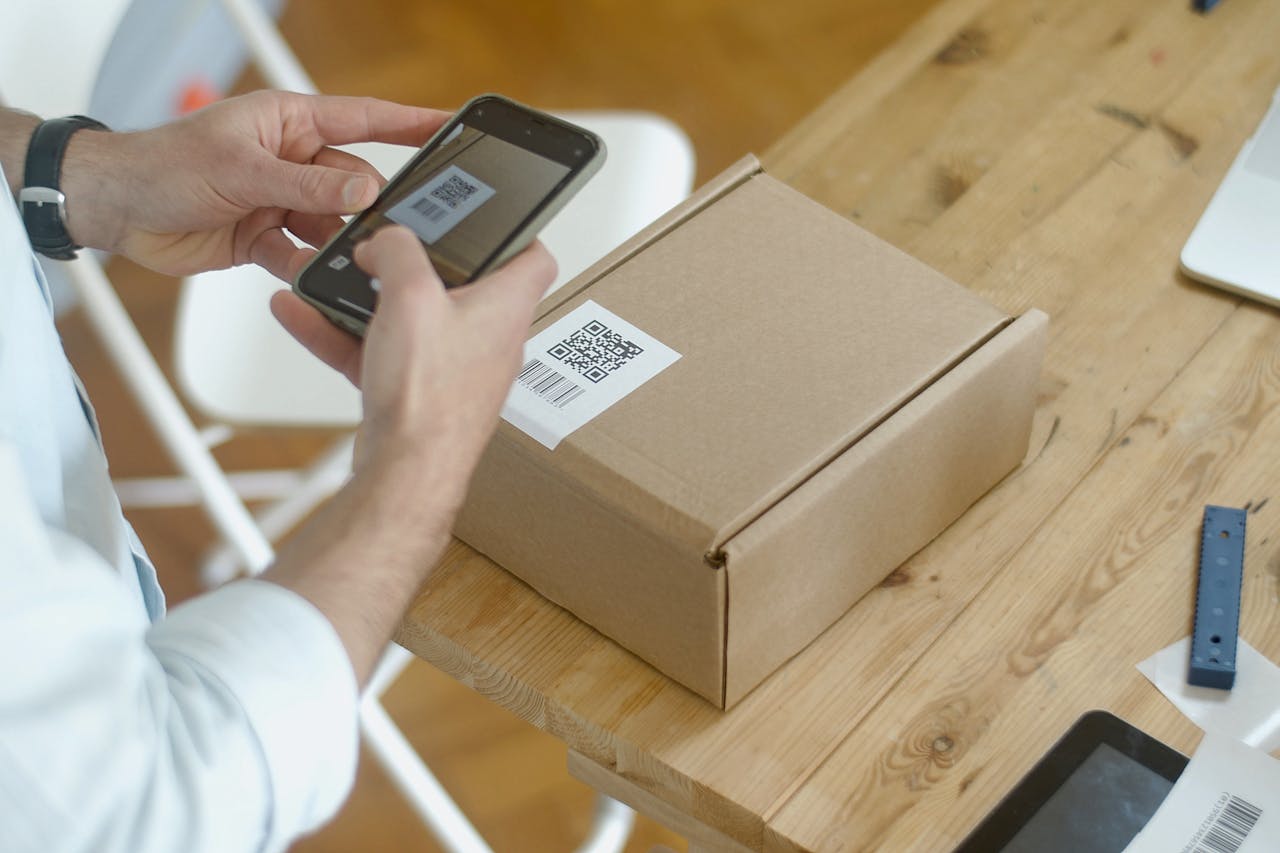
Streamlined Operations and Process Automation
Integrating ERP with e-commerce automates many workflows. It fixes issues like human errors and scalability problems. It also gives businesses a clear view of inventory and demand.
This helps avoid stockouts and reduces excess inventory. It improves inventory turnover too.
Moreover, it makes order fulfillment faster. Sales orders are processed automatically, improving customer satisfaction.
Integrating ERP and e-commerce is a smart move for businesses. It leads to a competitive edge and higher profits. It streamlines operations, automates processes, and ensures real-time data sharing.
This empowers businesses to better serve customers, improve efficiency, and grow.
Best Practices for Successful ERP Integration
To make ERP e-commerce integration smooth, it’s key to get key stakeholders involved early. Having a clear plan is also crucial. ERP integrations touch every part of the organization. So, knowing what stakeholders need is vital.
Keeping everyone informed and involved is important. This makes the integration process smoother.
Involve Key Stakeholders Early
ERP systems need to work well with e-commerce platforms. This requires input from IT, finance, operations, and marketing. Getting these teams involved early helps make sure the integration meets everyone’s needs.
Regular talks and feedback help keep the project moving. They also help solve any problems that come up.
Have a Clear Integration Plan
ERP integrations need careful planning and management. Businesses should have a solid plan that outlines goals and a backup plan for issues. Also, making sure data is clean and is key for a good integration.
By following these steps, businesses can make ERP e-commerce integration work well. This leads to better operations, happier customers, and smarter decisions.
Conclusion
Integrating an ERP system with an e-commerce platform brings many benefits. It boosts process efficiency, data accuracy, and customer satisfaction. It also improves inventory and financial management, making businesses more scalable and cost-effective.
As the e-commerce world grows, linking ERP and e-commerce platforms is key for staying ahead. Tools like Integrate.io make it simpler for companies to use ERP and e-commerce together. This leads to better efficiency, data accuracy, and customer experiences.
ERP and e-commerce integration offers many advantages. It streamlines inventory and financial tasks, and provides real-time data analysis. It also makes data accessible on mobile devices. By adopting this integration, businesses can grow and succeed in the fast-changing e-commerce market.

This Article is Reviewed and Fact Checked by Ann Sarah Mathews
Ann Sarah Mathews is a Key Account Manager and Training Consultant at Rcademy, with a strong background in financial operations, academic administration, and client management. She writes on topics such as finance fundamentals, education workflows, and process optimization, drawing from her experience at organizations like RBS, Edmatters, and Rcademy.
