

Is Qatar’s booming economy helping men and women in the same way at work? This is the main question we’re examining. We’re looking into how jobs for women in Qatar are faring. Along the way, we are finding some surprising twists and difficulties in bringing real workplace equality to Qatar.
Qatar is known for its wealth and a strong economy. But when it comes to how many women work, things get more complicated. Women in Qatar have excelled in education and health. However, they face large challenges in jobs and politics12.
In recent reports, it’s clear there’s a big gap. For instance, although 20% of the public jobs are held by women, only 37% of them are working. This is much lower than the 67% of working men12. Even though more women graduate from university than men, they are not as active in the job market2.

We are going to look closely at why this gender gap exists. We’ll think about everything, from traditions to new policies. Also, about the effect of many foreign residents on work patterns for both local and non-local women1.
Come with us to uncover the truths about gender equality in Qatar’s workplaces. We’re going to highlight any progress and the obstacles still faced. Together, we’ll examine how to reach true gender equality in the Qatari job market.
Key Takeaways
- Qatar’s female economic participation rate is 37.6%, compared to 67.9% for men
- Women outnumber men two-to-one in Qatari universities
- The wage gap in Qatar stands at 11.1%
- Qatari women are predominantly employed in professional and administrative roles
- Family-level concerns are a major barrier to female employment in Qatar
- Qatar has made significant progress in educational attainment for women
- The country faces challenges in political empowerment and economic participation for women
Introduction to Gender Disparity in Qatar’s Workforce
Qatar has grown a lot economically, changing its workforce greatly. It has done very well in health and education. For example, no one has died giving birth since 1997. Also, Qatari women live to be 75 years old, two years more than men3. These facts show Qatar cares about women’s health.
Yet, there’s still a big gap between men and women working in Qatar. Most people living there, 2.9 million, are from other countries. Only 14% are from Qatar. This mix affects job diversity and how much power women have economically1.
Lots of men work in Qatar compared to women. The number of women working has gone up from 27.4% in 2001 to 42.0% in 2021. But, it’s still less than men making up the workforce1. Even though Qatari women go to university more than men, this imbalance remains2.
In Qatar, women make 88.9% of what men make each month. This leads to an 11.1% wage gap, one of the smaller ones globally1. It shows the issue of gender fairness at work is complicated.
The workforce in Qatar is also shaped by culture. While ideals support women working, there are concerns about family and traditional values. These worries make it hard for women to have equal economic opportunities2.
Qatar is working towards making its workforce more equal. Solving these complex problems is key. The strong start in health and education will help make workplaces fairer for everyone.

Qatar’s Demographic Landscape and Its Impact on Employment
In Qatar, the population is changing, leading to new workforce challenges. The country is growing quickly with many people from different places living there. This affects how many women work and the jobs they can get.
Population Growth and Expatriate Influx
Qatar’s population has jumped a lot in the past twenty years. In 2016, most people, 92%, lived in its capital, Doha. Only about 313,000 are Qatari nationals4. The increase is mostly because of people moving there to work. These include experts from the West and workers from East Asia and Africa. They make up about 88% of all those living there4.
Gender Imbalance in Qatar’s Population
There is a big difference between men and women in Qatar. This directly affects jobs. The gap makes it harder for women to find work. The government is trying to help women find jobs through education and training5.
Implications for Labor Force Participation
Qatar faces issues in getting its young people into work because their skills don’t always match what the jobs need. This problem is making it harder for young women to find work. This adds to the gender gap in jobs.
Qatar is working on its education and healthcare to help its youth. The goal is to have excellent education and health while fighting problems like obesity and accidents6. They want to make sure their young people are active in building the country.
| Demographic Factor | Impact on Employment |
|---|---|
| High Expatriate Population | Increased competition in job market |
| Gender Imbalance | Lower female labor force participation |
| Young Population | Mismatch between skills and job demands |
Educational Attainment and Its Influence on Employment
In Qatar, almost everyone can read and write. Such high numbers, 99.3% for females and 99.1% for males, show both men and women have the same chances to learn. In fact, this also earned Qatar an amazing 99% on the Global Gender Gap Educational Attainment Subindex7. More women are going to university than men, showing big steps forward8.
In spite of these gains, many women still face hurdles at work in. Only 22% of them are part of the workforce, even with their high education numbers. This stands out next to Qatari men, where 67% are working8.
The gap between what women study and what jobs they can get underlines issues with unfair treatment at work. Even though many women finish school, they find it hard to join the job market. This is why Qatar scored only 50% on helping both genders work and earn fairly7.
| Indicator | Percentage |
|---|---|
| Female literacy rate | 99.3% |
| Female labor force participation | 22% |
| Educational Attainment Subindex score | 99% |
| Economic Participation Subindex score | 50% |
Even though Qatar does well in getting both men and women to school, this doesn’t mean both can find good jobs. Something more than just going to school is affecting how women start their careers. Things like tradition and family hopes also play a big role in Qatar’s work world9.

Labor Force Participation Rates: A Gender Perspective
In Qatar, more women are joining the workforce. This mirrors a worldwide push for gender equality at work. The increase shows that opportunities for jobs are growing, especially for women.
Qatari vs. Non-Qatari Female Participation
In closing the gender employment gap, Qatar has seen big improvements. From 2001 to 2021, the Qatari female labor force participation rate grew from 27.4% to 42.0%. This rate, when not counting students, leaped from 38.4% to 56.6%. Even with these strides, a gap remains between Qatari and non-Qatari women. Only 43% of Qatari women are part of the workforce, while 65% of non-Qatari women are working.
Sectoral Distribution of Female Employment
In Qatar, where women work can be quite diverse.
| Sector | Qatari Women | Non-Qatari Women |
|---|---|---|
| Professional Roles | 46% | 15% |
| Administrative Positions | 30% | 12% |
| Domestic Sector | 1% | 38.9% |
| Other Sectors | 23% | 34.1% |
Barriers to Women’s Workforce Participation
However, there are still hurdles for women to work fully in Qatar. These obstacles include cultural expectations, difficulties in managing work and life, and unequal systems. It’s vital to tackle these issues to make sure that everyone has a fair chance in the jobs market.
Beyond Qatar, a global concern is the drop in the female workforce from 51.3% in 1998 to 48.5% in 201810. This situation highlights the need for persistent efforts that focus on gender equality and empowering women in jobs.
Gender Disparity Statistics in Employment in Qatar
In the Middle East, Qatar has made great strides for women’s work. It leads with 57% female participation, beating countries like the United Arab Emirates and Kuwait at 47%11. This is a big win for Qatar.
But, there’s still much work to do. In 2021, a study found an 18% gap in pay between men and women11. The country itself is at 50% in gender economic participation7. This shows there’s room for improvement.
Qatar’s Gender Inequality Index is 22%. Its Gender Development Index is 101.9%7. These scores show it’s doing well in education and health. Specifically, scores for education and health are 99% and 95%, respectively7.
The big challenge is political power. Qatar only scores 3% in political empowerment on the Global Gender Gap index7. This issue affects women’s careers and how much they can contribute to the workforce. To fix this, Qatar plans to support women in technology and business by 203011.
| Gender Gap Indicator | Qatar’s Score |
|---|---|
| Economic Participation | 50% |
| Educational Attainment | 99% |
| Health and Survival | 95% |
| Political Empowerment | 3% |

Public vs. Private Sector Employment Trends
In Qatar, public and private job scenes differ greatly. The public sector is the top job provider, especially for Qatari citizens. There’s a big gender gap here; 81.7% of working Qatari women have public sector jobs, as do 81% of men12.
But, still, only 20% of these jobs are held by women. This shows a clear gender gap. The issue points to bigger challenges in reaching gender equality as per Qatar labor laws. In the private sector, non-Qatari men dominate, making up 85% of the workforce12.
It’s intriguing that many unemployed Qatari women aren’t eager to join private firms. A huge 83.2% of them prefer not to, while only 16.8% of unemployed men feel the same13. This adds to the high female unemployment rate and shows signs of Qatari women employment obstacles.
The number of individuals supported by each Qatari worker has spiked, reaching two. This emphasizes the need for more women working. Their involvement in all job sectors is important for the economy’s growth and lessening public dependency13.
Despite having a very low overall jobless rate of 0.1% in 2020, gender differences in workplace choices persist13. These differences pose long-term obstacles. Solving these is key to reach full job market equality. This would help Qatar make the best use of its complete labor force.
Wage Gap Analysis in Qatar’s Labor Market
In Qatar, the workplace shows a mix of situations on gender equality. Men and women are not paid equally due to several reasons. These include the type of job, how much experience they have, and what people think is normal.
Overall Wage Disparities
The average monthly pay in Qatar is QAR 15,800. This number changes depending on the job and experience14. Even though more women are working in Qatar, they do not earn as much as men14. This story is common across the region. Here, 32 percent fewer women work than men15.
Industry-Specific Wage Comparisons
Jobs that bring in a lot of money, like in oil and gas, aviation, and finance, pay better. This is unlike jobs in places like hotels or stores14. Women and men work in different kinds of jobs, affecting pay equality. The highest-paying jobs, like being a CEO, are mostly in energy, construction, and finance14.
| Industry | Average Monthly Salary (QAR) | Gender Distribution |
|---|---|---|
| Oil and Gas | 25,000 | Male-dominated |
| Finance | 20,000 | Mixed |
| Hospitality | 10,000 | Mixed |
| Retail | 8,000 | Mixed |
| Construction | 12,000 | Male-dominated |
| Healthcare | 15,000 | Female-dominated |
| Education | 14,000 | Female-dominated |
| Information Technology | 22,000 | Mixed |
Factors Contributing to Wage Differences
Many things influence pay gaps in Qatar. This includes what job someone picks, how long they’ve worked, and what society believes14. Efforts to get more women involved have seen some success. For example, there are 9 percent more women working now compared to a decade ago16. But, in 2015, only 38 percent of all paid jobs in the area were held by women15.
Qatar is trying to make things more equal. They have set a minimum wage of QAR 1,000. They also give extra money for housing and food14. Laws have been made to make sure men and women get the same chances. This helps women do better in business and life overall16.

Occupational Segregation and Gender Roles
In Qatar, the labor market shows clear job differences for men and women. This gap adds to the difference in work between men and women in Qatar. Most women work in jobs like office work and managing, while many men choose hands-on jobs.
In 2013, more women than men could not find jobs. The rate was 22.7% for women and 8.1% for men. This shows how bad the job situation is for women in Qatar17. It’s a problem across the Middle East and North Africa, where many young women can’t find work17.
Cultural views affect the jobs Qatari women pick. They often like working for the government because it’s steady and has good benefits. This choice is not just in Qatar, but it’s also seen in the Middle East and North Africa. Here, less than a quarter of important jobs are held by women, while in the whole world, over 45% of these jobs are done by women17.
The pay gap between men and women in the Middle East and North Africa is about 14%. This is better than the world average of 24%. But, women here face higher chances of not finding work. Also, there are many cultural rules that make it hard for them to work18.
| Indicator | Qatar/MENA | Global |
|---|---|---|
| Women’s Labor Force Participation (2013) | 50.8% (Qatar) | 50.3% |
| Gender Pay Gap | 14% | 24% |
| Women in Managerial, Professional, Technical Roles | Over 25% | Over 45% |
Still, the World Economic Forum thinks it might take 140 years to make things equal for men and women in the Middle East and North Africa18. This is why we must keep trying to make the job market fair in Qatar.
Unemployment Rates and Challenges for Qatari Women
In Qatar, women face unique challenges in finding work. Even though they have high education levels, they struggle to get jobs. From 1980 to 2008, progress was seen as more women started working in careers. Now, 51.7% of women are part of the job market19. Compared to other countries in the Gulf Cooperation Council (GCC), Qatar is leading. Most of its women, 92%, work in the public sector20.
In 2001, only 27.4% of Qatari women were part of the workforce. By 2021, this number had grown to 42.0%. This shows things are getting better, but there are still problems1. Some women are not working because they’re either still studying or taking care of their families. This choice is often driven by cultural expectations and personal decisions.
It’s interesting that most unemployed Qatari women prefer not to work in private companies. They prefer the jobs offered in the public sector over private ones. This is different from men, where most are open to working in private companies1. This shows there’s a gap that needs to be fixed. Qatar should work on making all types of jobs more appealing to women.
| Indicator | Female | Male |
|---|---|---|
| Literacy Rate | 99.3% | 99.1% |
| Public Sector Employment | 20% | 9.8% |
| Average Monthly Income Ratio (2019) | 88.9% | 100% |
Even though there are challenges, Qatar is doing better than many places in the world. It is working hard to give education and job chances, especially in the public sector. This is why the unemployment rate for women is not as high. To keep making progress, Qatar needs to look at why women prefer certain jobs. Encouraging more women to try working in the private sector could be a solution1.

Government Initiatives for Gender Equality in Employment
Qatar is really working hard to have men and women equally in jobs. The government is putting in a lot of effort. They want to see more women working in all kinds of jobs. They hope to make the work world better for everyone.
A big success is that more women are working. Over 60% of women in Qatar have a job. This is more than the world average of almost 47.4%21. It shows how well Qatar’s plans are working to make work fair for women.
Qatar’s government also helps mothers with healthcare. Since 1997, no mother has died having a baby. Almost all babies, 99.9%, are born in hospitals there3. These steps make it easier for women to do their jobs and take care of their families.
But, there are still problems. In the Gulf area, only 7% of top jobs are held by women. The world’s average is 20%21. This shows Qatar must keep working hard. They need to help more women get important jobs.
Qatar is also working with other countries in the Middle East. They have plans to make things better for women at work. Their goal is to help women work in different parts of the economy22. Qatar plans to keep bettering their policies. They want to fully use the talents of their female workers.
Cultural Factors Influencing Women’s Career Choices
In Qatar, culture greatly impacts women’s career decisions. It mixes traditional values with new dreams. This blend creates a special situation for gender inequality in Qatar’s job market. Even though women are highly educated, many societal norms affect their work.
Traditional Values and Modern Aspirations
Qatar is changing how it sees women’s roles. A study found that 8 out of 10 Qataris support women working outside. Also, 72% think education is more important for jobs than for getting married23. This change of view is gradually helping more women find jobs in Qatar.
Work-Life Balance Considerations
Many Qatari women find it tough to balance work and family. More than half of women 25-29 have been married. But almost a third of those 30-34 are still single23. These numbers show the challenges women face in making life and work choices.
Changing Perceptions of Women’s Roles
Qatar is starting to see women’s roles in a new light. It leads the Gulf in how many local women work in the public sector. This high number shows a major effort towards equality, though there are still issues.
“The Qatari government prioritizes families as a key part of society, as outlined in the National Vision 2030 and the Qatari Constitution of 2003.”
Growing diversity in women’s careers shows Qatar’s changing culture. Yet, the career gap between genders is still noticeable. In 2014, women mostly worked in fields like construction, IT, and sciences24.
| Sector | Percentage of Employed Qatari Women (2014) |
|---|---|
| Construction | 25% |
| Information Technology | 27% |
| Social and Natural Sciences | 45% |
Qatar is moving towards a balanced mix of traditions and new thoughts. The push for family and society in the National Vision 2030 is key. It aims to fight gender inequality and enhance work opportunities for women.

The Impact of Declining Fertility Rates on Female Employment
In the 1960s, Qatar had a high fertility rate of 6.9 children per woman. By 2020, this number dropped to 1.8. This change reflects a global pattern where the average rate went from 5 to under 2.5 by 201525. Qatar’s decreasing rates affect female job opportunities, pay equality, and diversity efforts.
Lower fertility rates can mean more women working. Worldwide, women are 40% of the workforce25. In Qatar, this could lead to less job discrimination and stronger financial independence for women. Modern birth control has made it easier for women to join work25.
Having children can impact women’s work in places with less money. Qatar is moving towards a more varied economy. But, balancing a job and raising children can lead to fewer births in developed nations25.
More jobs for women can help the economy but also raises some issues. Qatar needs to support its working mothers and also keep its population growing. This is key for fighting the gender pay gap and supporting diversity long-term.
| Year | Global Fertility Rate | Qatar’s Fertility Rate |
|---|---|---|
| 1960s | 5.0 | 6.9 |
| 2015 | 2.5 | 2.1 |
| 2020 | 2.4 | 1.8 |
Qatar must make policies that help women at work and push for workplace fairness. By tackling job discrimination and building a diverse workspace, Qatar can fully benefit from its women. This approach also helps adjust to changing birth rate trends.
Comparison with Other GCC Countries
Qatar is unique in its workforce gender balance compared to other Gulf Cooperation Council (GCC) countries. It shows a mix of similarities and differences. Although Qatar surpasses some GCC nations in women’s workforce participation, challenges remain.
In the World Economic Forum’s 2021 Global Gender Gap index, Qatar placed 136th, doing better than Kuwait (137th) and Oman (143rd)26. This shows the difficulty in achieving gender equality in jobs across the GCC.
Female unemployment in Qatar fits a trend seen across the region. Kuwait is leading with 47% of women participating in work, while Qatar has 36%27. Yet, Qatar and Kuwait have the closest gender gap compared to other GCC countries27.
When we look at just women above 15, Qatar’s participation in work is similar to the west28. This underlines the challenge in the GCC but also considers the impact of non-citizen male workers on workforce numbers.
| Country | Female Labor Force Participation | Ranking in Economic Participation |
|---|---|---|
| Qatar | 36% | 136th |
| Kuwait | 47% | 137th |
| UAE | 44% | Not specified |
| Bahrain | 33% | 134th |
GCC countries are all working on gender equality challenges. These include slow gains in STEM fields and limits on some women’s job options26. To improve, experts suggest removing work hurdles, supporting female start-ups, and using gender quotas in companies.

Progress and Challenges in Women’s Economic Empowerment
Qatar is leading the way in promoting gender equality in jobs. The country works hard to empower women. Many women work in government, enjoying the benefits they offer29.
Yet, true equality faces hurdles. Discrimination in the private sector is a big issue. Surveys of civil servants show the struggles women deal with29.
More women are being pushed into leadership positions. Qatar University keeps an eye on women’s roles in different fields. Their research helps understand the changing job scene for women29.
| Sector | Progress | Challenges |
|---|---|---|
| Public | High female employment rates | Limited career advancement |
| Private | Increasing opportunities | Persistent discrimination |
| Leadership | Growing representation | Cultural barriers |
The Ministry of Administrative Development, Labor and Social Affairs (MADLSA) tracks women’s work trends in Qatar29. This data helps create policies that push for equality and tackle work disparities.
Qatar is moving forward, with a focus on women’s financial power. Research and white papers guide their policies. The goal is to open up a fair and inclusive job market for all Qataris29.
Future Prospects for Gender Parity in Qatar’s Workforce
Qatar is doing well on its journey towards gender equality at work. More women are getting high education than ever. At Qatar University, women are twice as many as men. At Texas A&M University in Qatar, women are 46% of students30.
This education success opens doors for more women in Qatar’s jobs. The country aims to involve women more in politics and work by 203031. This could also help the region’s economy a lot31.
But, women still face challenges at work in Qatar. The country must stop job and pay differences. Qatar has banned different pay based on gender for same work since 2021. And, they have a fair minimum wage for all, helping 400,000 workers32.
Qatar should focus on more women leading and in STEM jobs. Many women study STEM, but not many work in it. Fixing this could help Qatar’s economy grow and bring new ideas.
| Area of Focus | Current Status | Future Goal |
|---|---|---|
| Education | High female enrollment in universities | Maintain high enrollment and improve transition to workforce |
| Workforce Participation | Increasing, but room for improvement | Achieve parity with male participation rates |
| Leadership Positions | Underrepresented | Increase female representation in executive roles |
| Wage Equality | Non-discriminatory minimum wage implemented | Eliminate gender pay gap across all sectors |
By making smart changes, Qatar is on a good path to gender equality. The aim is to use the knowledgeable women of Qatar well. And to make workplaces where everyone has a fair chance.
Conclusion
Qatar has made great strides in narrowing the gender gap at work. It’s ahead with more women working – 40.6%, compared to the 25% regional average33. Also, 60% of women in Qatar work, leading the way in the Middle East21. These numbers show Qatar works hard to support Qatari women and encourage workplace diversity.
Still, issues like workplace bias are big challenges. In a recent meeting, all women spoke of facing stereotypes at work. Yet, 85% also mentioned the constant need to prove themselves33. Qatar has an 18% gender pay gap, showing more work is needed to fix inequalities11. This data highlights the crucial need for anti-bias strategies and ensuring everyone has a fair shot.
There’s hope and hurdles in Qatar’s journey for workplace gender equality. Although many women work, only 7% hold board positions in the GCC. This shows a big gap in leadership roles21. Qatar aims to improve by breaking cultural barriers and creating a more inclusive work space. By addressing these challenges, Qatar can better its gender diversity and lead in offering equal chances and fair work conditions for all.
References:
- Empowering Women Through Public Sector Employment in Qatar: Challenges and Opportunities – https://link.springer.com/chapter/10.1007/978-981-99-6006-4_4
- PDF – https://aalims.org/wp-content/uploads/2021/04/Blaydes-Qatar-Women-Labor-Force-Partcipation-v5.pdf
- QATAR – English.doc – https://www.un.org/womenwatch/daw/Review/responses/QATAR-English.pdf
- Qatari Women Navigating Gendered Space – https://www.mdpi.com/2076-0760/6/4/123
- Closing the Divide: Women Empowerment in Qatar Between Rhetoric and Reality – https://link.springer.com/chapter/10.1007/978-981-99-6006-4_6
- PDF – https://www.psa.gov.qa/en/aboutus1/Documents/hdr3_en.pdf
- Country Snapshot | UN Women Data Hub – https://data.unwomen.org/arab-states/country/qatar
- PDF – https://www.aalims.org/wp-content/uploads/2021/04/Blaydes-Qatar-Women-Labor-Force-Partcipation-v5.pdf
- Home – https://www.oecd-ilibrary.org/sites/0c0b63ae-en/index.html?itemId=/content/component/0c0b63ae-en
- Female labor force participation and development – https://wol.iza.org/articles/female-labor-force-participation-and-development/long
- Addressing the Gender Pay Gap in the Middle East – https://www.headspringexecutive.com/addressing-the-gender-pay-gap-in-the-middle-east/
- Statistics on employment – ILOSTAT – https://ilostat.ilo.org/topics/employment/
- PDF – https://www.psa.gov.qa/en/statistics/Statistical Releases/Social/LaborForce/2020/statistical_analysis_labor_force_2020_EN.pdf
- Average Salary in Qatar – Complete Guide 2024 – TimeCamp – https://www.timecamp.com/average-salary/qatar/
- PDF – https://www.ilo.org/media/430031/download
- No title found – https://www.elibrary.imf.org/view/journals/002/2024/044/article-A001-en.xml
- PDF – https://www.unwomen.org/sites/default/files/Headquarters/Attachments/Sections/Library/Publications/2015/POWW-2015-FactSheet-MiddleEastNorthAfrica-en.pdf
- Increased Gender Inequality in Arab Labour Markets due to COVID-19: Causes and Solutions – https://www.iemed.org/publication/increased-gender-inequality-in-arab-labour-markets-due-to-covid-19-causes-and-solutions/
- GE and DW Doha Oct 11 – https://www.ilo.org/media/21836/download
- Empowering Women Through Public Sector Employment in Qatar: Challenges and Opportunities – https://researchportal.bath.ac.uk/files/309028895/978-981-99-6006-4_4.pdf
- Advancing Gender Equity in the Middle East Workforce – https://www.bain.com/insights/advancing-gender-equity-in-the-middle-east-workforce/
- Women’s Labor-Force Participation in the Middle East | Think Global Health – https://www.thinkglobalhealth.org/article/womens-labor-force-participation-middle-east
- The Impact of Socio-cultural Factors in Qatar on Females in Engineering – https://strategy.asee.org/the-impact-of-socio-cultural-factors-in-qatar-on-females-in-engineering.pdf
- Women in Qatar – https://en.wikipedia.org/wiki/Women_in_Qatar
- Women’s employment and fertility in a global perspective (1960–2015) – https://www.ncbi.nlm.nih.gov/pmc/articles/PMC8295801/
- The Gulf is lagging behind on gender equality. Here’s how it can catch up. – https://www.atlanticcouncil.org/blogs/menasource/the-gulf-is-lagging-behind-on-gender-equality-heres-how-it-can-catch-up/
- PDF – https://www.hbku.edu.qa/sites/default/files/womenlabourrights.pdf
- Measuring Female Labor Force Participation in the GCC | Baker Institute – https://www.bakerinstitute.org/research/measuring-female-labor-force-participation-gcc
- Empowering Women Through Public Sector Employment in Qatar: Challenges and Opportunities – https://ouci.dntb.gov.ua/en/works/45dVjzD7/
- Raising Gender Equality In STEM Careers – https://www.scientificamerican.com/custom-media/a-new-dawn-for-innovation-in-qatar/raising-gender-equality-in-stem-careers/
- PDF – https://www.grc.net/documents/643a0dd02a521GulfWomenintheWorkforceResearchPaper.pdf
- BTI 2024 Qatar Country Report – https://bti-project.org/en/reports/country-report/QAT
- What women want at work in Qatar: conclusions from W4Women Doha – https://www.wamda.com/2013/06/what-women-want-at-work-in-qatar-conclusions-from-w4women-doha
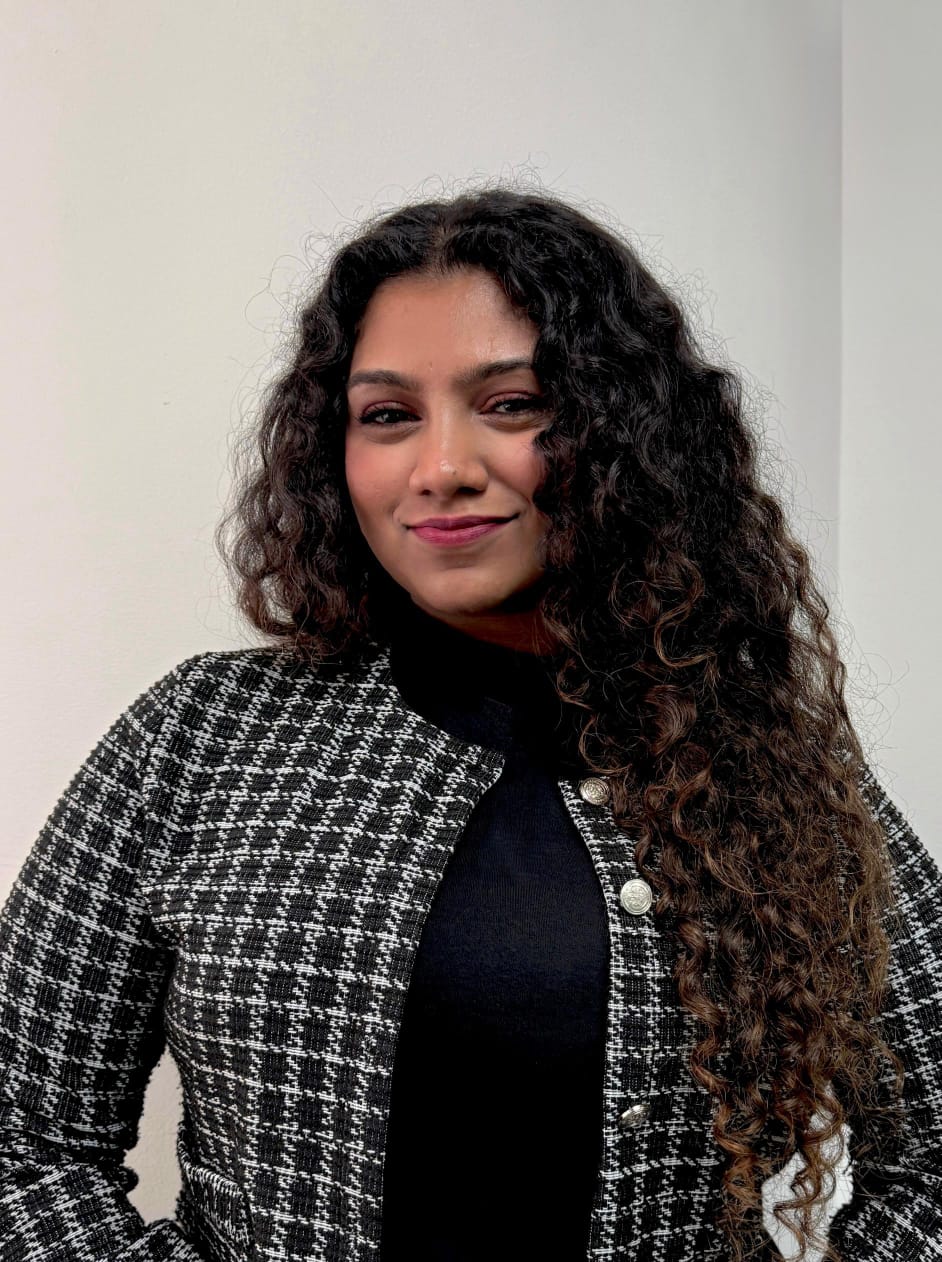
This Article is Reviewed and Fact Checked by Ann Sarah Mathews
Ann Sarah Mathews is a Key Account Manager and Training Consultant at Rcademy, with a strong background in financial operations, academic administration, and client management. She writes on topics such as finance fundamentals, education workflows, and process optimization, drawing from her experience at organizations like RBS, Edmatters, and Rcademy.