

We’re excited to share a fresh approach to building educational materials that welcome every student. Our method centers on using structured guides to ensure no learner gets left behind. These tools help educators create experiences that support diverse needs and backgrounds.
Rather than being a simple to-do list, our framework serves as a thoughtful companion for reflection. It encourages instructors to examine each part of their teaching practices with an equity-focused perspective. This process helps identify areas where we can improve accessibility and engagement.
We’ll show how these guides transform important principles into concrete actions. They help educators ask crucial questions about potential barriers students might face. This work is especially valuable when considering future educational needs, as highlighted in this comprehensive assessment resource.
Our goal is to provide practical strategies that make a real difference. We believe every educator plays a vital role in shaping positive outcomes. This journey toward better educational environments is ongoing and rewarding.
Key Takeaways
- Structured guides help create welcoming educational experiences for all students
- These tools serve as reflective companions rather than simple checklists
- They help identify potential barriers in educational materials
- Practical strategies can be implemented immediately
- Every educator has an important role in this process
- This approach anticipates future student needs and contexts
- Abstract principles become measurable actions that improve outcomes
Essential Foundations for Inclusive Learning Design: DEI Checklists for 2026 Courses
Building truly welcoming educational spaces starts with a solid foundation of core values. These principles guide every choice we make, ensuring fairness is built-in from the start.
We ask fundamental questions about the role beliefs play in shaping student experiences. Which ideas will shape how we support growth and create meaningful participation?
Understanding Our Core Values and Principles
We emphasize intentionally equitable hospitality as a core practice. This means showing every student they matter from day one, regardless of background.
The concept of nurturing environments helps students ‘grow and glow’ holistically. We address cognitive, emotional, and social development throughout the journey.
We advocate for co-created experiences where students become genuine partners. They share their viewpoints to shape content and activities.
Establishing Equitable and Socially Responsible Practices
Our liberating approach diversifies input materials and aims for a civic curriculum. It prepares students to engage with complex social issues thoughtfully.
Socially responsible creation means asking how our work can have genuine community value. This connects classroom activities to real-world impact, similar to frameworks like the BEAM framework for equitable hospitality practices.
We support students in identifying their own drivers. This creates space for reflection on how personal beliefs influence collaboration.
Practical Strategies and Checklist Considerations in Course Design
Practical application transforms abstract concepts into meaningful student experiences. Our framework helps educators bridge the gap between intention and measurable outcomes.

We focus on turning guiding principles into tangible actions that benefit every participant. This approach ensures thoughtful consideration of real-world applications.
Leveraging Physical and Digital Learning Spaces
Thoughtful planning considers both physical classrooms and online platforms. We help balance synchronous and asynchronous opportunities to meet diverse schedules.
Mobile-friendly options ensure accessibility for students with varying technology access. This creates flexible environments that support different learning preferences.
Incorporating Opportunities, Challenges, and Solutions
Early needs analysis helps us understand student backgrounds and potential barriers. Surveys and introductory activities reveal important information about participant requirements.
Orientation experiences help students transition smoothly into new educational settings. Community-building exercises foster connections from the very beginning.
Utilizing Universal Design for Learning to Remove Barriers
We provide multiple participation options for different activities and assessments. Clear communication about available choices empowers students to select methods that work best for them.
Our approach includes alternatives for external tools, recognizing varying technology access. These strategies for engaging educational content create more equitable experiences for all participants.
Implementing Inclusive Content and Diverse Perspectives
We now turn to the practical elements that bring our framework to life for every participant. This phase focuses on the resources and interactions that directly shape student journeys.

Designing Inclusive Learning Activities and Assessments
Our method intentionally incorporates multiple viewpoints throughout all materials. We seek out resources representing various cultures and backgrounds.
Student autonomy is central to our approach. We embed choice in how participants engage with materials and demonstrate understanding.
| Assessment Approach | Traditional Method | Our Enhanced Method |
|---|---|---|
| Resource Selection | Single textbook | Multiple OER options |
| Activity Format | Standardized tests | Choice of projects |
| Feedback Timing | End-of-term only | Ongoing peer review |
| Skill Building | Large final paper | Scaffolded assignments |
Reflecting on Authenticity and Culturally Diverse Content
We create space for critical dialogue about representation in our materials. This mirrors the thoughtful approach seen in equitable hospitality practices.
Authentic outputs connect to real-world applications that matter to students. This makes demonstration of knowledge personally meaningful.
We break larger tasks into manageable steps with clear templates. This progressive building of skills prevents overwhelm.
Our commitment ensures materials are accessible without financial barriers. We prioritize resources that respect diverse schedules and responsibilities.
Conclusion
Measuring success in educational equity requires ongoing assessment and adaptation. Our framework emphasizes that this work is never truly finished but evolves through continuous reflection.
We encourage every course designer to gather feedback throughout the semester. Regular check-ins and surveys help identify what’s working in your learning activities. This approach ensures your educational materials remain responsive to student needs.
Our evaluation checklist provides a structured way to review evidence through the lens of diversity standards. This mirrors the thoughtful approach seen in comprehensive DEI training frameworks. The goal is creating authentically welcoming environments where every student can thrive.
By committing to this cycle of implementation and refinement, we build better educational experiences for all participants. The payoff in student engagement and outcomes makes this investment essential.
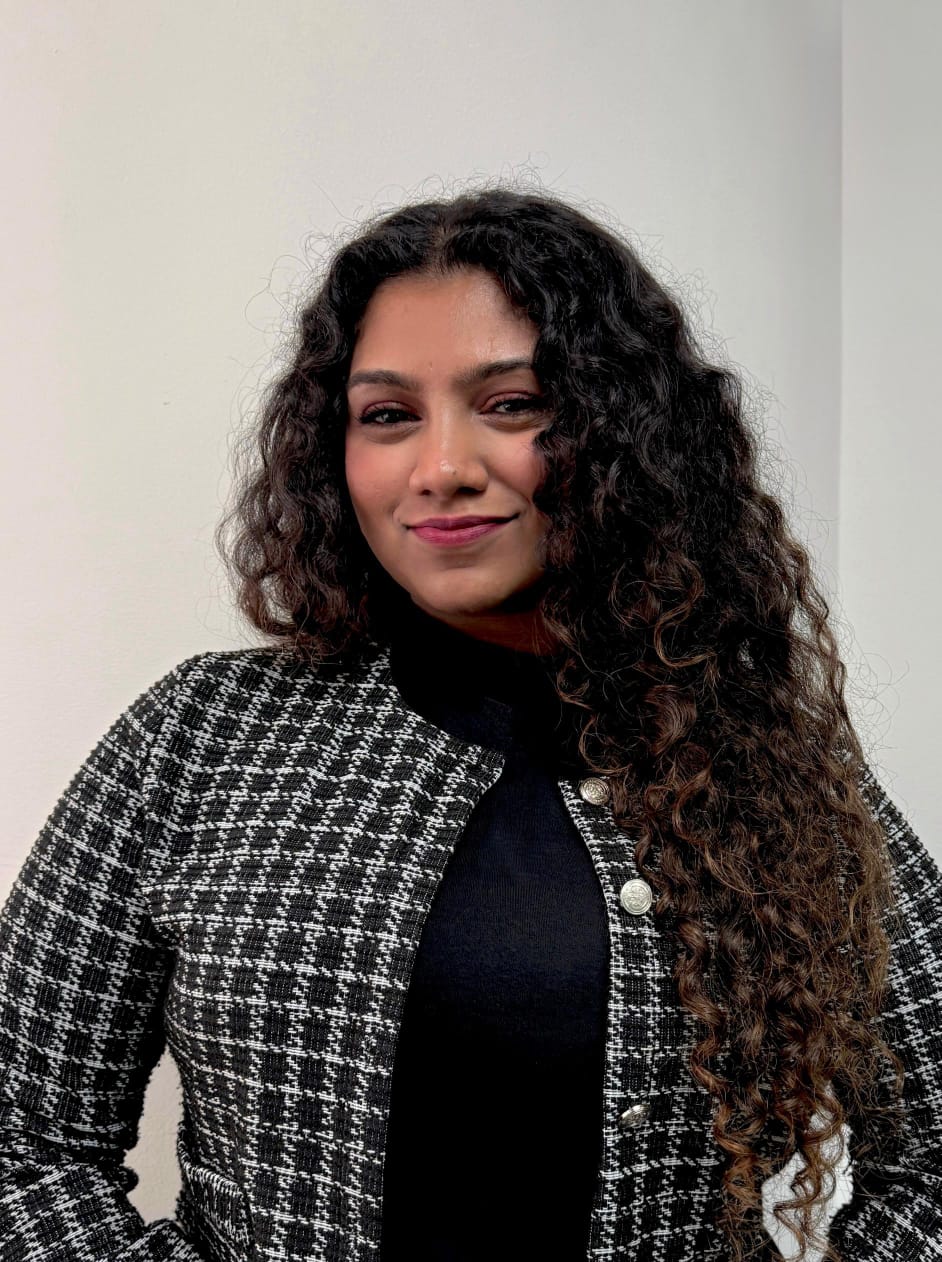
This Article is Reviewed and Fact Checked by Ann Sarah Mathews
Ann Sarah Mathews is a Key Account Manager and Training Consultant at Rcademy, with a strong background in financial operations, academic administration, and client management. She writes on topics such as finance fundamentals, education workflows, and process optimization, drawing from her experience at organizations like RBS, Edmatters, and Rcademy.