
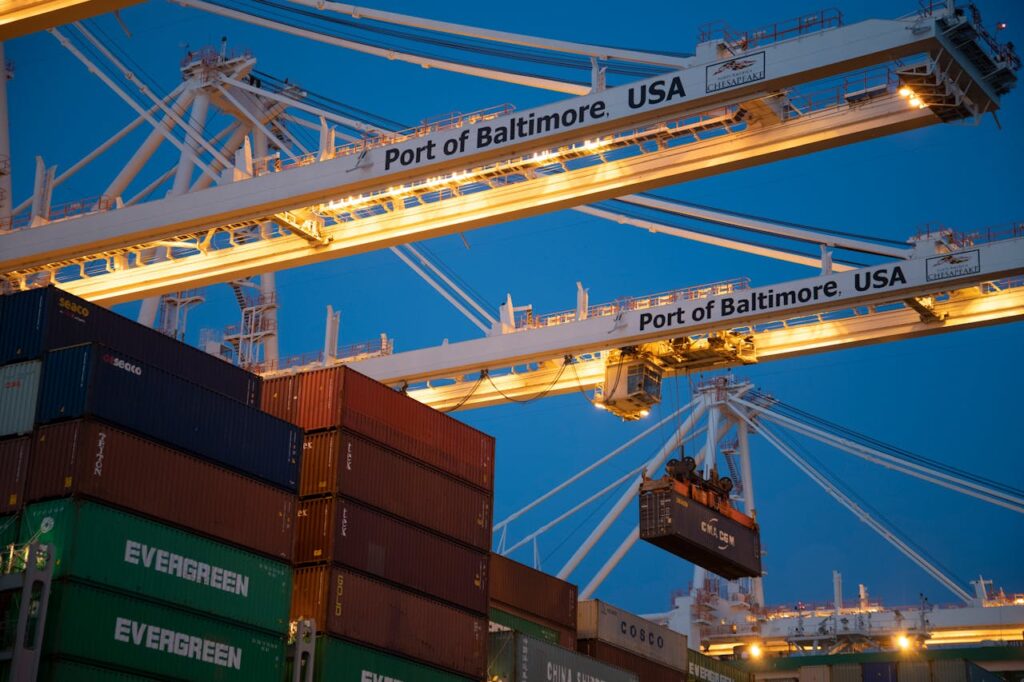
In today’s world, global trade is key to economic growth. But, understanding international shipping contracts can be tough. Knowing the legal details can make all the difference between a smooth deal and a big problem. Let’s explore the important legal points that affect these contracts.
Key Takeaways
- International shipping contracts need careful attention to avoid misunderstandings and disputes.
- It’s important to know the rules for exporting, importing, and customs clearance for successful shipments.
- Incoterms, rules from the International Chamber of Commerce (ICC), outline who does what in international trade.
- Getting legal advice can help businesses avoid problems and make sure their contracts fit their needs.
- Knowing the law that applies to a contract and possible legal conflicts is key for international trade.
Are you ready to learn about the legal details of international shipping? Let’s start and see how these contracts can impact your global business.

Understanding International Contracts
Dealing with international contracts is key for success in global business. Agreements must be clear and detailed to avoid misunderstandings. Language and cultural differences can cause problems.
Working with a legal expert in international trade can help avoid legal issues. They can also help solve disputes.
Importance of Specific and Comprehensive Contracts
International contracts need clear terms to avoid confusion. Details like payment, delivery, and warranties should be spelled out. It’s also important to understand the laws and risks of the countries involved.
Seeking Legal Expertise
Knowing international conventions and local laws is crucial for global deals. Local lawyers can guide through unfamiliar legal systems. Having clear ways to solve disputes helps keep business relationships strong.
| Statistic | Relevance |
|---|---|
| 70% of major commercial agreements involving the exchange of goods reference INCOTERMS rules for clarity on responsibilities related to the delivery of goods, risk, and costs. | Highlights the importance of including specific terms and conditions, such as Incoterms rules, in international contracts to ensure clarity and prevent disputes. |
| Thorough due diligence is often required in international contracts to understand the legal, economic, and political environment of counterparties, including verifying business legitimacy and assessing risks. | Emphasizes the need for companies to conduct comprehensive research and due diligence when entering into international contracts to mitigate risks. |
| Clear dispute resolution provisions in international business contracts expedite conflict handling with parties often opting for arbitration or mediation before litigation. | Underscores the value of including specific dispute resolution mechanisms in international contracts to facilitate efficient conflict resolution. |
Understanding the need for detailed international contracts and seeking legal advice helps companies succeed globally. It reduces risks and builds strong international partnerships.
Understanding ‘Proper Law’
In the world of international business, dealing with legal systems can be tough. Contracts between parties from different countries can lead to conflicts. This is because of the proper law, which decides if a contract is valid, how it’s interpreted, and if it’s followed.
Legal rules can vary greatly from one country to another. For example, one country might need a written contract, while another might accept verbal ones. These differences in legal systems can greatly affect the rights of those involved.
Conflicts Arising from Different Legal Systems
To avoid legal problems, businesses need expert legal help. Maritime lawyers, for instance, are key in making sure international shipping contracts meet everyone’s needs. They help with legal harmonization.
- Knowing what ‘proper law’ means is key for handling international business contracts.
- Legal system differences can cause problems and affect the rights of those involved.
- Getting legal advice, like from maritime lawyers, can help businesses deal with international maritime law and achieve legal harmonization.
With the help of legal experts, businesses can make sure their international contracts are strong and follow the right proper law. This reduces the chance of expensive legal fights and helps for better teamwork across borders.

Contracts for Sale of Goods
International trade relies heavily on contracts for the sale of goods. These agreements involve the transfer of goods from a seller to a buyer in exchange for money. The transfer of title, or legal ownership, is key and affects both parties’ rights if the goods are lost, damaged, or destroyed.
Transfer of Title and Effects
The transfer of title is crucial for the buyer’s right to reject goods. It’s important to clearly define when title passes from seller to buyer. This can prevent disputes and ensure a smooth transaction.
Delivering Goods and Incoterms
Incoterms, or International Commercial Terms, outline the responsibilities of sellers and buyers. They cover delivery, risk, and documentation. Using the right Incoterms can reduce confusion and make delivery smooth.
Acceptance or Refusal of Goods
The buyer must accept goods if the seller meets all contract conditions. But, the buyer can refuse goods with a valid reason. Defining acceptance criteria and refusal circumstances can prevent disputes and ensure a fair outcome.
The United Nations Convention on Contracts for the International Sale of Goods (CISG) is a key agreement for these transactions. Understanding contracts for the sale of goods helps businesses navigate international trade. It ensures their transactions are legal and beneficial.
Contracts for Sale of Services
International shipping deals can be as tricky as those for goods. Service contracts can be simple or very detailed. It’s key that both sides know what’s expected, who’s doing it, and when and how it’s paid for.
For a smooth service contract, focus on these important points:
- Scope of Services: Clearly state what services are to be done, including any specific tasks or standards.
- Personnel and Qualifications: List who will do the work and their skills and experience.
- Facilities and Equipment: Mention any tools or places needed for the job.
- Timing and Schedule: Set out when the work must be done, including any deadlines.
- Compensation and Payment: Decide on the payment details and how bills are handled.
- Termination Conditions: Say when the contract can end, like if there’s a problem or a change.
By covering these points, both sides know their roles and what’s expected. This helps avoid future issues or disagreements.

Negotiating in Other Business Cultures
Understanding and being adaptable are key in cross-cultural negotiations. In Western cultures, we often start with the deal and then build a relationship. But, many other cultures do it differently. They focus first on building personal connections before serious talks.
Relationship-Building Before Negotiations
In places like Asia and the Middle East, building relationships is at the heart of negotiations. Before discussing the deal, time is spent getting to know each other. This helps build trust and find common ground. This method is different from the direct, deal-focused approach in the West.
Cultural differences greatly affect negotiations. For instance, 74% of Spanish respondents see negotiations as making a contract, while only 33% of Indian executives agree. Also, 100% of Japanese respondents believe negotiations should be win-win, but only 33% of Spanish executives agree.
It’s vital to understand these cultural differences for successful cross-cultural negotiations and relationship-building in business cultures worldwide.
International Shipping Laws
The global shipping industry is key to the world economy, moving over 80% of international trade. As businesses grow globally, they must understand complex shipping laws. The International Maritime Organization (IMO) leads in setting standards for sustainable shipping.
Responsible Business Conduct (RBC)
Responsible Business Conduct (RBC) guides companies to act sustainably abroad. It helps manage relationships, reduce risks, and support sustainable growth. The Canadian government demands companies to act ethically, respecting human rights and laws.
Navigating Anti-Corruption Measures
Corruption slows down economic growth and good governance. Canada fights corruption with laws against corrupt practices. Businesses must avoid corruption, bribery, and other illegal acts. Keeping integrity and transparency is key for success in global shipping.
| Key International Shipping Laws and Regulations | Responsible Business Conduct (RBC) Principles |
|---|---|
|
|
Understanding shipping laws and following RBC practices helps companies succeed globally. They can contribute to a sustainable future.
Conclusion
Navigating the legal side of international shipping contracts is key. It helps ensure compliance, reduces risks, and makes global trade smoother. Understanding contracts, ‘proper law’, and international shipping laws is vital. This knowledge helps businesses succeed in the global market.
The International Maritime Organization (IMO) and the United Nations Convention on the Law of the Sea (UNCLOS) are crucial. They govern maritime activities and address issues like security and environmental protection. Following these laws is essential for ships to trade internationally and keep a good reputation.
As the global market changes, businesses must keep up with new shipping laws and regulations. Being proactive and seeking legal advice when needed is important. This way, companies can handle risks and take advantage of opportunities in international shipping contracts.

This Article is Reviewed and Fact Checked by Ann Sarah Mathews
Ann Sarah Mathews is a Key Account Manager and Training Consultant at Rcademy, with a strong background in financial operations, academic administration, and client management. She writes on topics such as finance fundamentals, education workflows, and process optimization, drawing from her experience at organizations like RBS, Edmatters, and Rcademy.

